

29/07/2026 - 20/08/2026
Exhibition by Igor Toshevski and OPA (Obsessive Possessive Aggression)
__operation: At Last!
Operational Actions upon the Endless Staring at the Wall of History
It is striking that today, although we constantly hear the claim that “nothing can be done,” everything nevertheless continues to function. Institutions operate, exhibitions open, artworks proliferate, museums collect and display, crises deepen, armed conflicts escalate, while history itself appears strangely immobilized. The problem is no longer the end of history, but the feeling that we continue indefinitely, without direction or purpose. This condition is perhaps even more unsettling than the prospect of an ultimate catastrophe. It is as if we have found ourselves trapped in a uncanny Beckettian loop.
For a long time now, contemporary art has been expected to be politically effective, socially engaged, ethically responsible, economically sustainable, and institutionally relevant, all without fundamentally questioning the very conditions under which it operates. In the current crisis of legitimacy, these demands have become increasingly paradoxical, since art can no longer reclaim the Romantic position of the autonomous artwork as a privileged site of truth. Nor can it fully rely on Brecht’s famous imperative that art should function as a hammer with which to shape the world. But what happens when that hammer itself ceases to work? Once again, we find ourselves standing before the persistent questions of truth and functionality.
Yet some artists continue to persist. Not because they still believe they can save the world, but because persistence itself becomes a way of testing the limits of what appears inevitable—of the exhausted present that Mark Fisher described as capitalist realism. If art still possesses any critical function today, it may lie in interrupting the operational routines through which the present endlessly reproduces itself. Even the smallest hesitation, a (mis)translation, a displacement, or a disruption of the expected, can open a crack in the surface of a reality that constantly insists there is no alternative.
Today, however, the world itself increasingly resembles a vast operational apparatus. What can art do when images no longer exist primarily to be seen, but to guide drones, train algorithms, analyse faces and bodies, and make decisions? The algorithmic logic of code tends to eliminate anomalies, narrowing the space in which art can still operate. The question is therefore no longer whether art will become a tool—or even a weapon—but how it might render visible the mechanisms that are already functioning seamlessly beneath the surface.
Perhaps art today is neither a mirror nor a hammer. Nor does it resemble the darkroom in which the world’s hidden images slowly emerge. What Walter Benjamin described as photography’s optical unconscious may now be expanded into a contemporary operational unconscious: a tautological network of protocols, institutional routines, languages, databases, algorithms, and economies of attention that silently shape our perception. From this perspective, Interruption in Progress emerges at a particularly timely moment. Rather than representing reality—or explicitly seeking to change it—the artists investigate its operational network. Their concern is not what things mean, but how they function.
Interruption in Progress brings together works by Igor Toshevski and OPA (Obsessive Possessive Aggression), revealing both the continuity and complementarity of their artistic practices, as well as the extended lives of artworks through processes of recontextualization and reinterpretation.
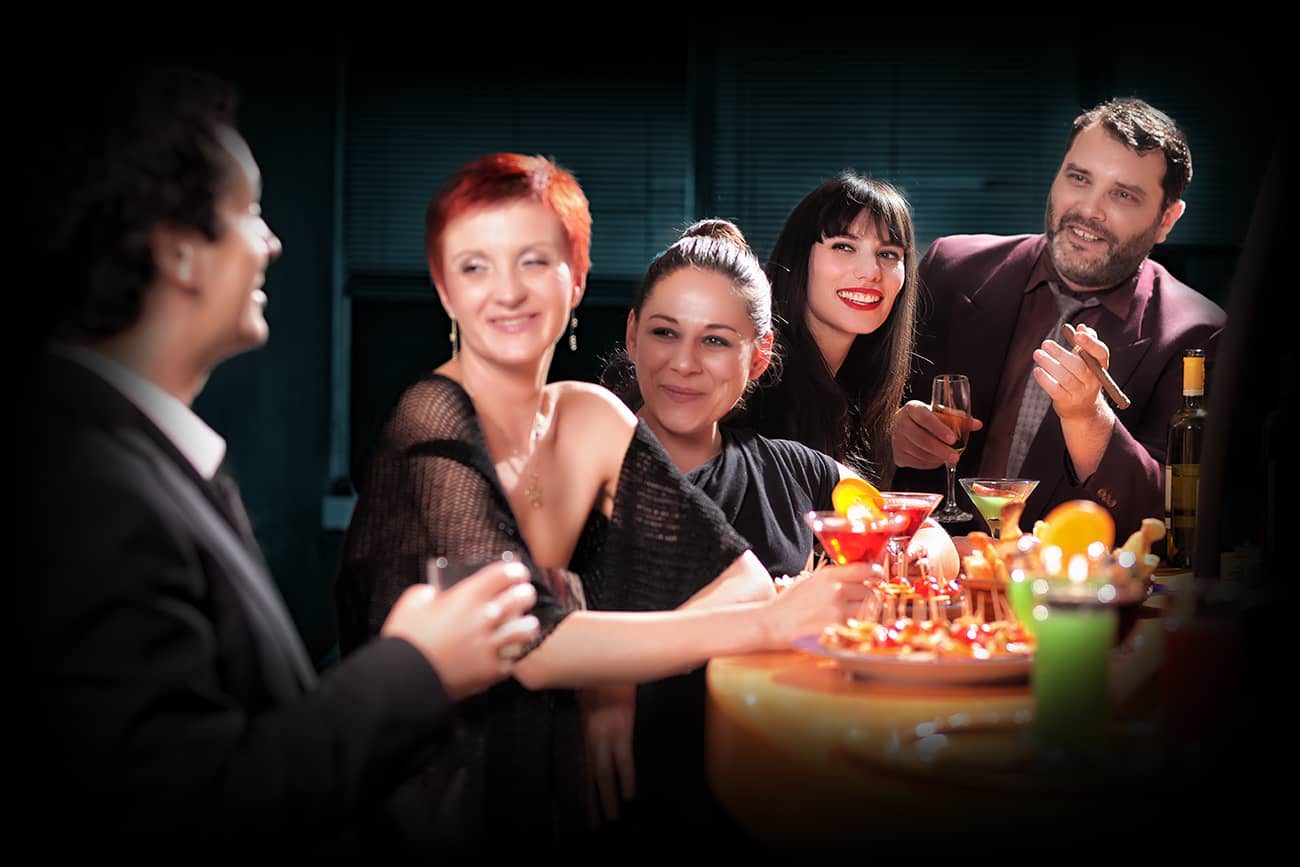
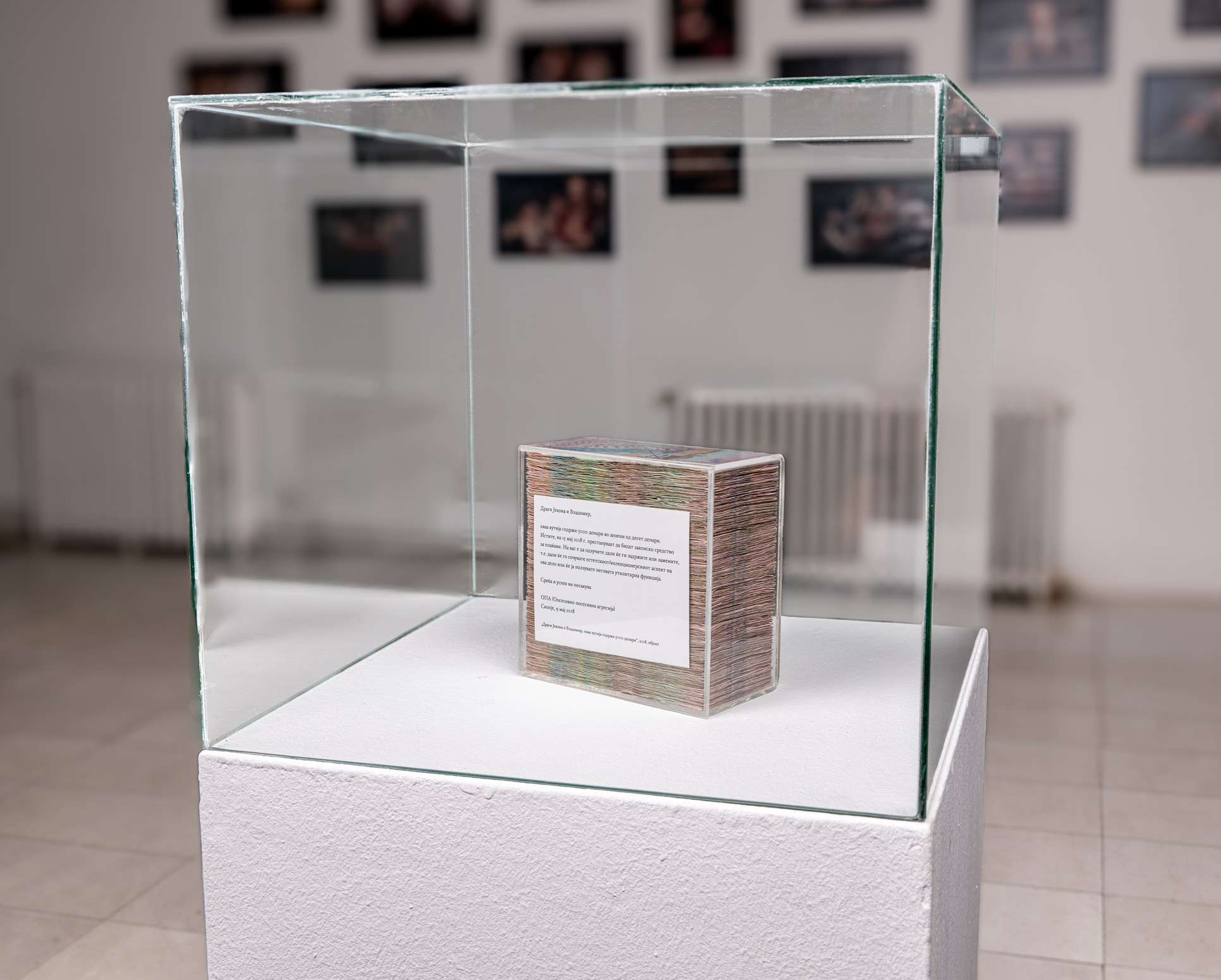
OPA’s Leonardo or Michelangelo? (2012), presented through a series of photographs accompanied by a curious textual reflection, explores regimes of visibility and exclusion within the art world. Rather than producing an exhibition, OPA constructs an event whose actual subject is media circulation, exclusivity, invitations, rumours, and the desire to belong—or the frustration of remaining excluded. Here, the artwork unfolds as a communicative protocol, exposing how symbolic value can be generated even without a direct encounter with the work itself. More than a decade later, the photographs remain ambiguous traces of an event, reopening speculation about what may—or may not—have taken place. Dear Jehona and Vladimir, This Box Contains 5,000 Denars (2018) brings together ideas of the gift, money, trust, and personal relationships. Rather than representing an economy of value, the work performs it. Never previously exhibited, it asks where the artwork itself is actually located, demonstrating that value does not reside solely in the object, but emerges through its potentiality and through the network of relations activated by the gesture itself. In doing so, it becomes an ironic reflection on the entanglement of the artworld and money.
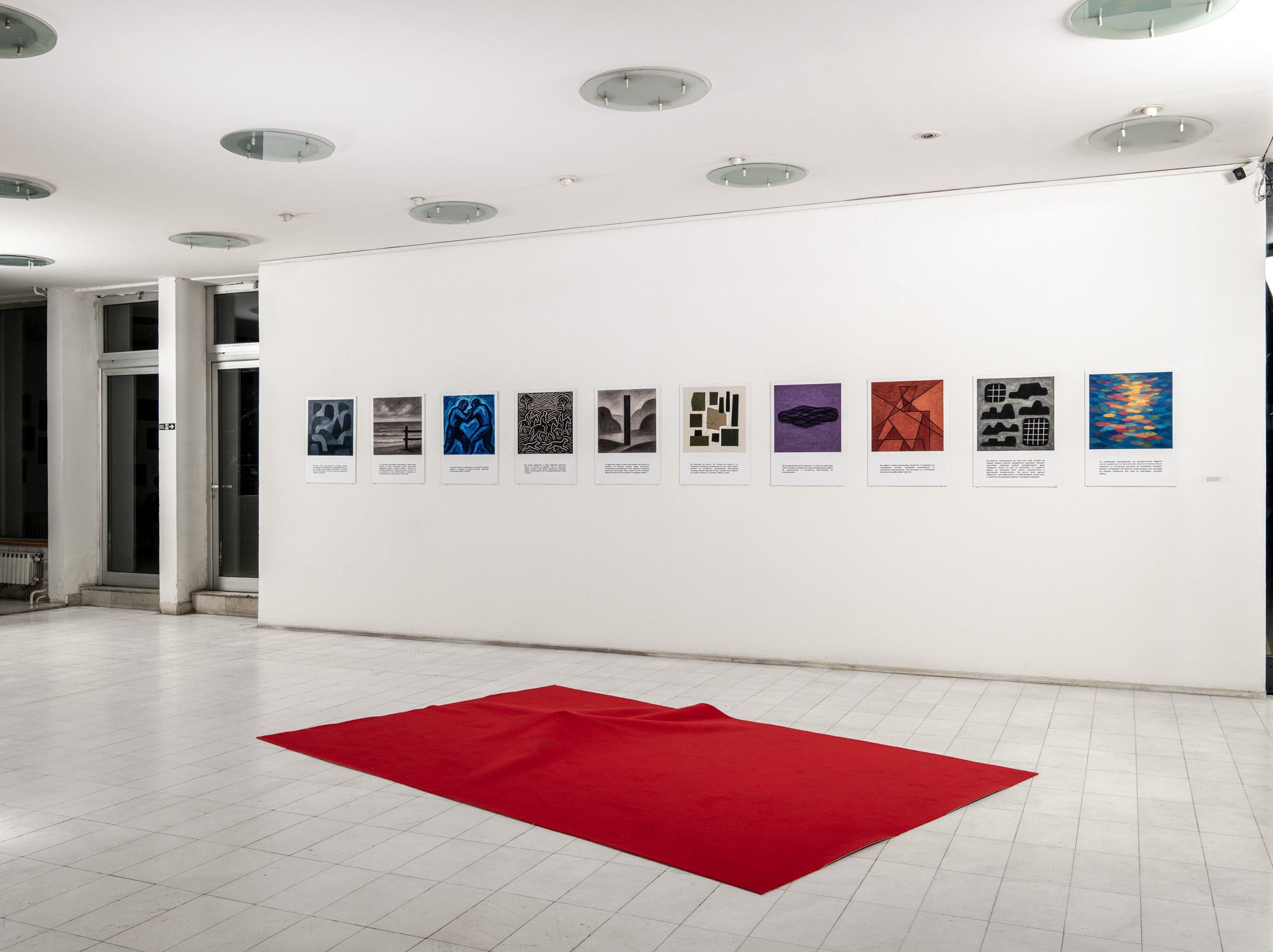
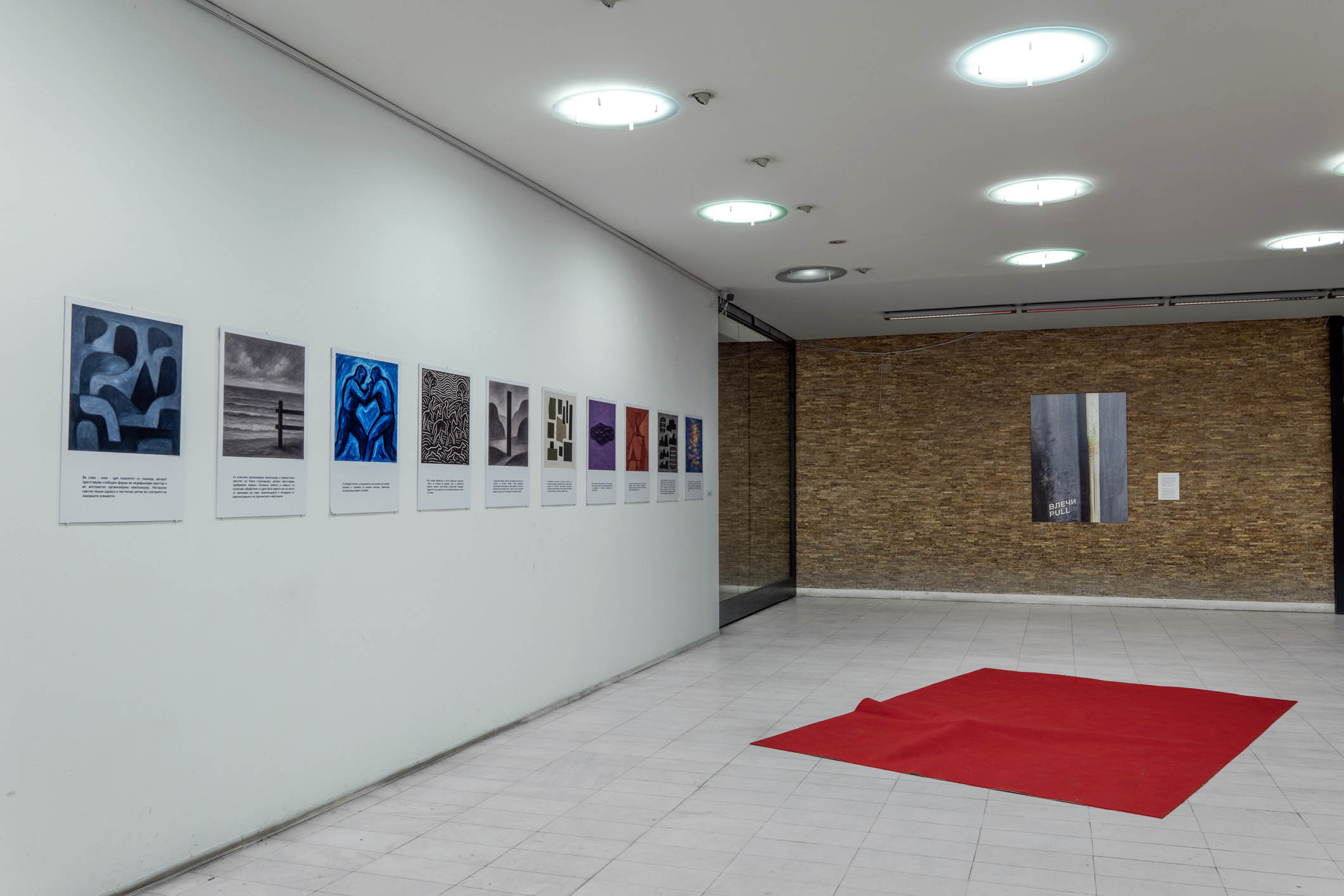
With Between II (2026), Igor Toshevski continues the investigation initiated in Between (2016), shifting it toward an even less visible layer of the museum. Rather than beginning with the artworks themselves and their concealment, the project takes as its point of departure the inventory descriptions of selected works from the Museum of Contemporary Art in Skopje. These administrative texts, originally produced for documentation, generate entirely new images through artificial intelligence models. The project does not seek to reconstruct the artworks they describe; instead, it explores the imperfect yet productive translations between language and image. What emerges is a new visual object, born from the misunderstanding between human description and machine interpretation. In the installation Every Statement Builds a Room (2011/2016), Toshevski further suggests that language no longer produces only images, but space itself. Inspired by Ludwig Wittgenstein’s understanding that language is not a mirror of the world but a condition for its appearance through use, the work consists of a red carpet concealing an unknown object beneath its surface. Every statement opens a possibility for meaning while simultaneously producing its own blind spot. Beneath every articulation something inevitably remains that cannot be fully expressed.
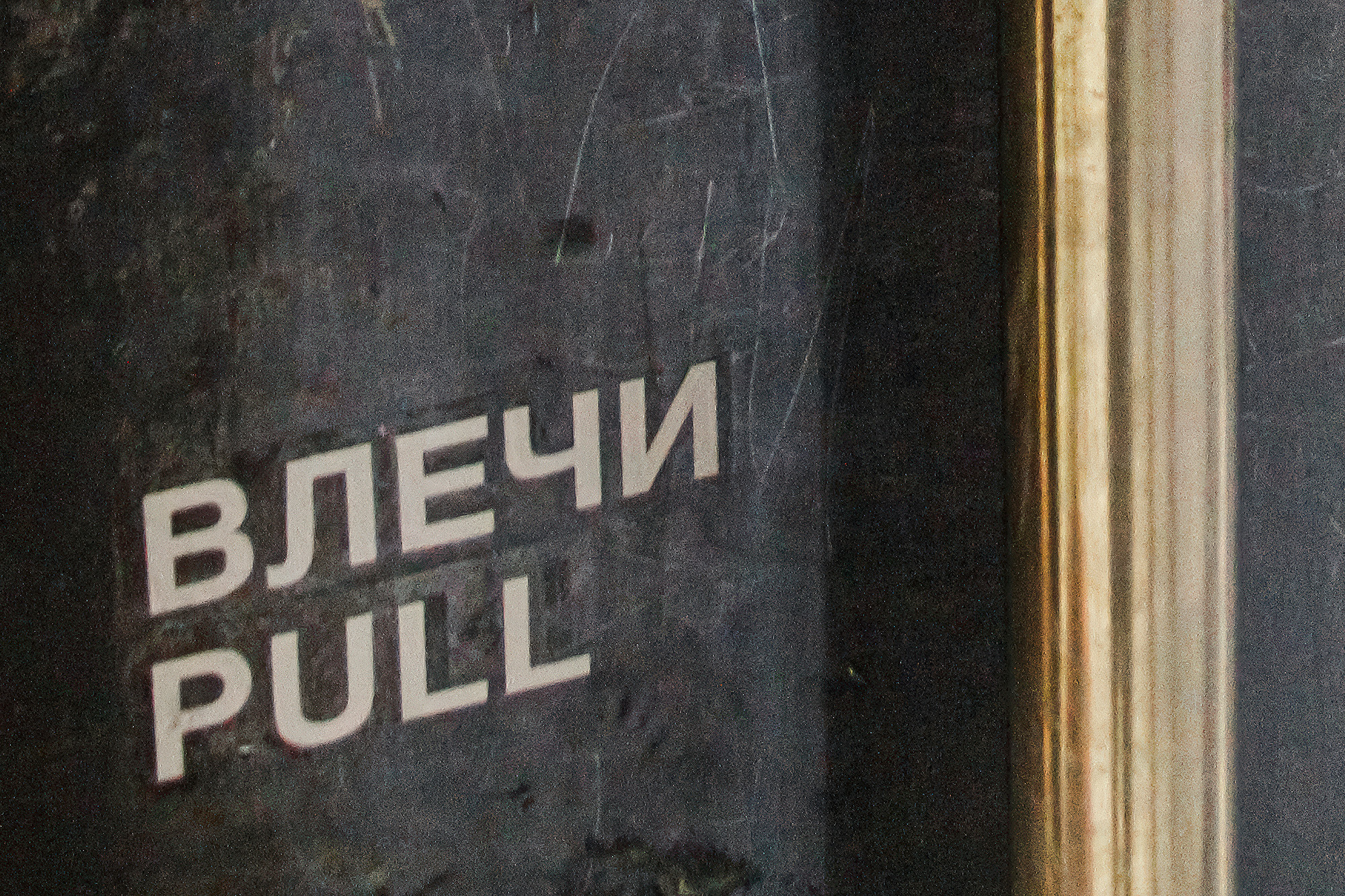
OPA’s most recent intervention, A Detour from History, consists of a large-scale photograph depicting an almost imperceptible detail: the vertical handle of a specific entrance door accompanied by the simple bilingual instruction, pull. Isolated from its architectural context, this functional element becomes a site of uncertainty. The imperative invites action, yet without revealing either direction or destination. Within the context of the exhibition and the institutional space of the museum, A Detour from History does not suggest an escape from history, but confronts us with the absurdity of its automatic continuation. It quietly poses a simple yet unsettling question: is it still possible to deviate from a predetermined trajectory? And if so, how? Especially when there is a wall standing directly before us.
This is precisely why the exhibition is installed in the foyer of the Museum of Contemporary Art—the place where the institutional mechanism begins to operate long before one enters the exhibition itself. The foyer—or, if one prefers, the lobby—inevitably evokes the notion of lobbying: the invisible mechanisms of influence, negotiation, and the production of value. Here, the museum is anything but a neutral container; it functions as an almost invisible operational system. Rather than occupying the museum’s principal exhibition galleries, Interruption in Progress appears on their threshold, strategically positioned in the one place that simply cannot be bypassed. Within this operational space, the works by OPA and Igor Toshevski can be experienced as distinct artistic propositions, but also as investigative points through which contemporary art examines the mechanisms that produce visibility, value, and meaning. Taken together, these five works trace a particular map of operations concerned with visibility, exchange, translation, concealment, and anticipation. They do not merely illustrate theory—they set it in motion. One may therefore recognize echoes of Martin Heidegger and his “broken hammer,” Bertolt Brecht’s hammer, Walter Benjamin, Ludwig Wittgenstein’s linguistic worlds, the tradition of institutional critique associated with Hans Haacke and Andrea Fraser, Hito Steyerl’s operational images, and Trevor Paglen’s machine vision. Yet these names are not invoked as authorities capable of explaining or legitimizing the artworks. They function instead as conceptual coordinates within a field in which artistic practice no longer aspires simply to represent reality or oppose it directly, but to expose, interrupt, and occasionally redirect the operations through which reality itself is continually constituted.
Certainly, Interruption in Progress does not describe a fixed condition. The vitality of language reveals that interruption and continuity are neither stable nor mutually exclusive; perhaps each already contains the other. The exhibition thus becomes an ironic commentary on a condition in which we endlessly await something decisive to happen while the mechanisms themselves continue to operate uninterrupted. Its significance lies precisely in rendering visible what usually remains concealed: the processes through which images are produced, institutions function, values are constituted, and the very conditions of perception are shaped. If art still possesses a critical role today, it is perhaps neither to mirror the world nor to transform it through a single decisive gesture. It need be neither mirror, nor hammer, nor darkroom. Instead, it may function as a dynamic field of interaction that allows us, at least momentarily, to perceive the invisible operational systems that organize our reality. Art retains its meaning insofar as it occasionally succeeds in producing small interruptions within the relentless continuity of things.
Vladimir Janchevski
Igor Toshevski treats art as a functional tool for deconstructing power structures, questioning the complex intersection between political authority, the post-socialist context and freedom of expression. Through projects such as “Dossier”, “Commitment” and “Territories”, he systematically problematizes state propaganda, censorship and the limits of institutional exhibiting. He often uses mass media to question the concept of originality and ownership over collective visual history, locating meaning in the relationship between information (text) and its visual carrier (image).
OPA (Obsessive Possessive Aggression) is an artistic collaboration founded by visual artists Slobodanka Stevceska and Denis Saraginovski. Operating at the intersection of context-specificity, the potential of public space, the public sphere, and the language of marketing, OPA employs interventions, tactical media, mockumentaries, and strategies of subversive affirmation to critically interrogate social, ideological, and institutional structures of power. Through a number of its projects, OPA uses art as a platform for public debate, creating situations that deliberately blur the boundaries between fiction and reality, and between art and politics.
Cover photo: OPA, Detour from History, 2026, digital print
OPA, Detour from History, 2026, digital print
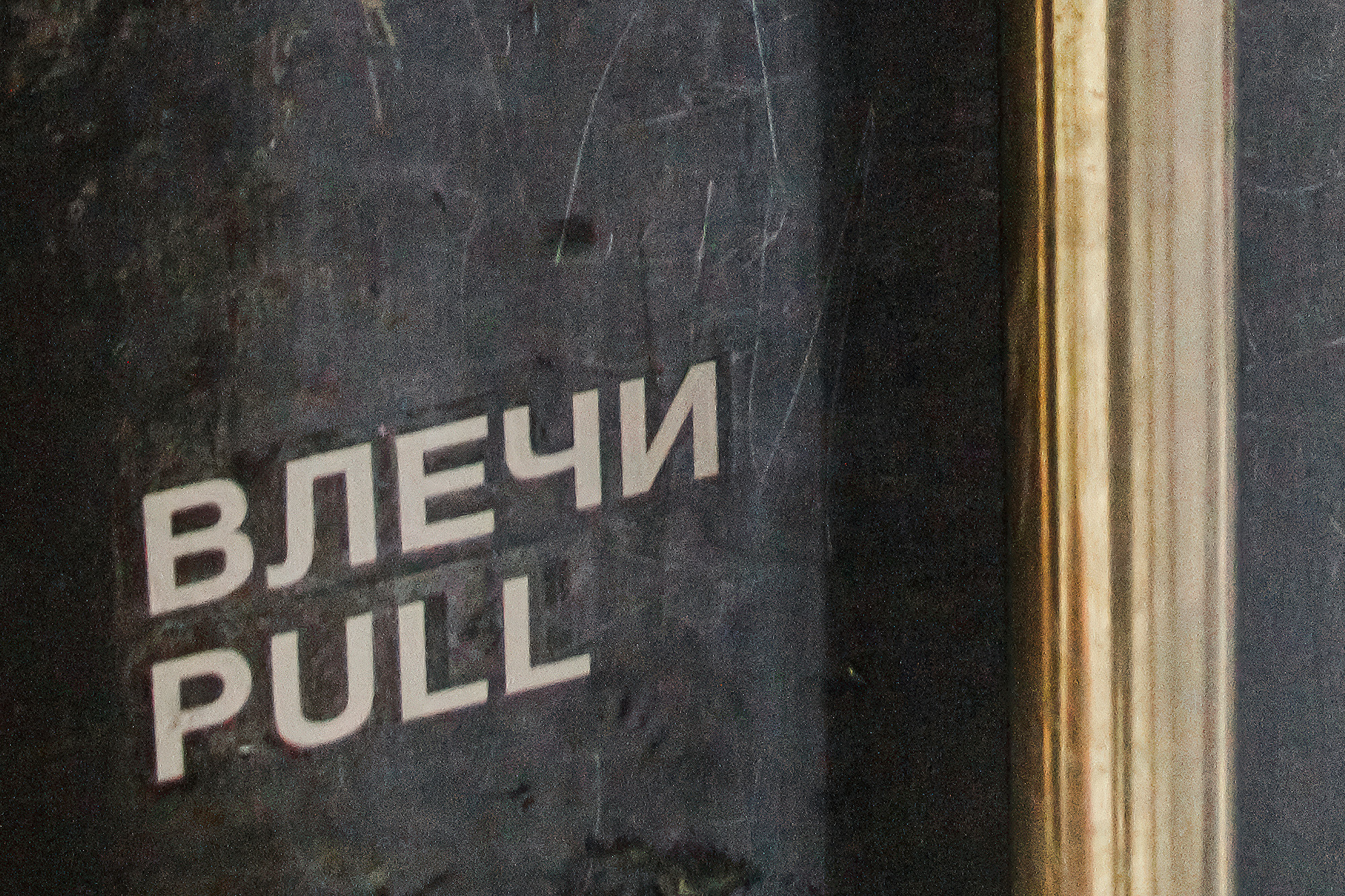
Igor Toshevski, Between II (detail), 2026, series of digital prints
(In front)Igor Toshevski, Each Statement Builds a Room, 2011/2016, synthetic carpet. (In the background) Igor Toshevski, Between II, series of digital prints
OPA, Leonardo or Michelangelo?, 2012, series of framed photographs from a photo session at the event.
OPA, Dear Jehona and Vladimir, This Box Contains 5000 Denars, 2018, Object (banknotes in plexiglass box)
Installation view
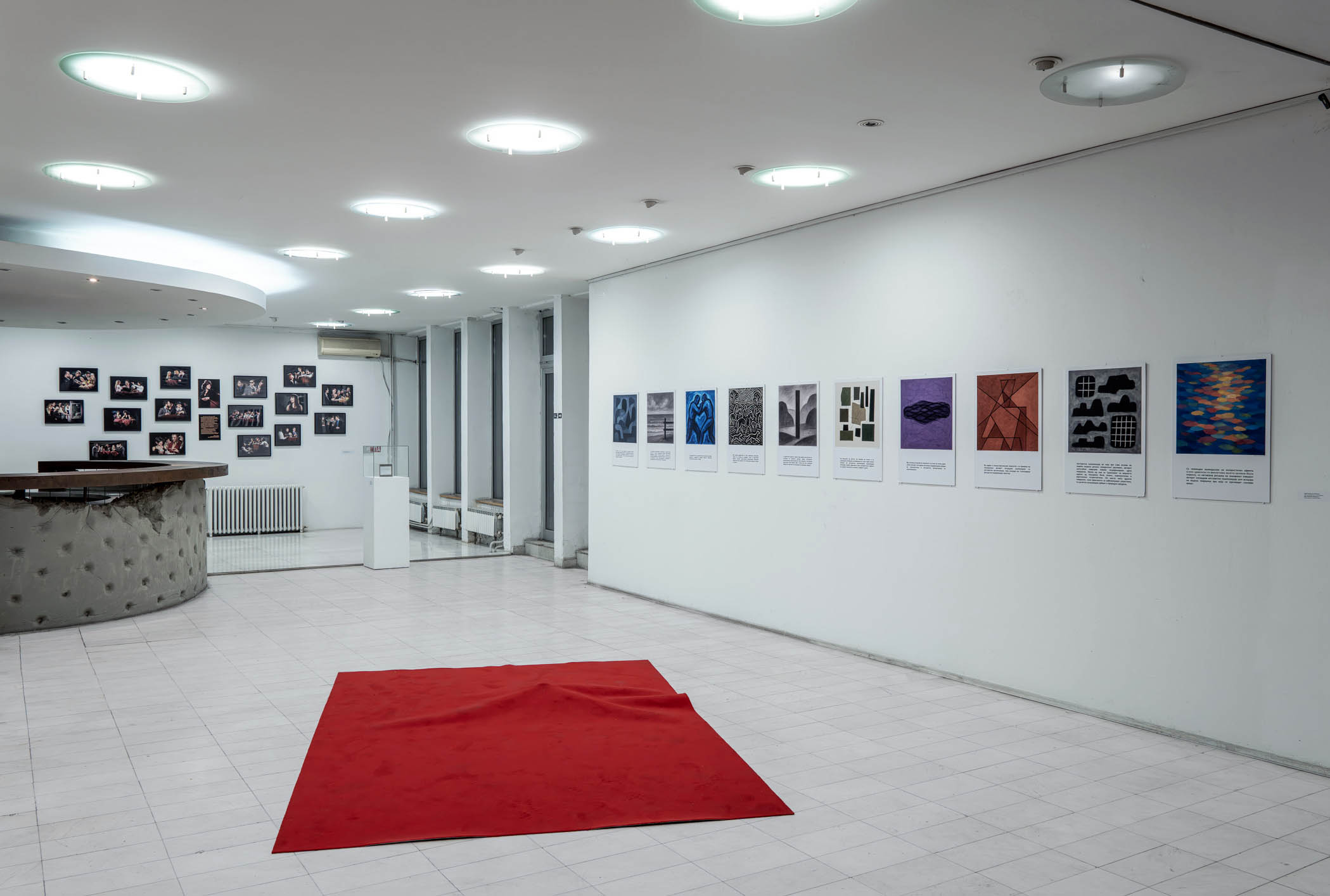
Installation view
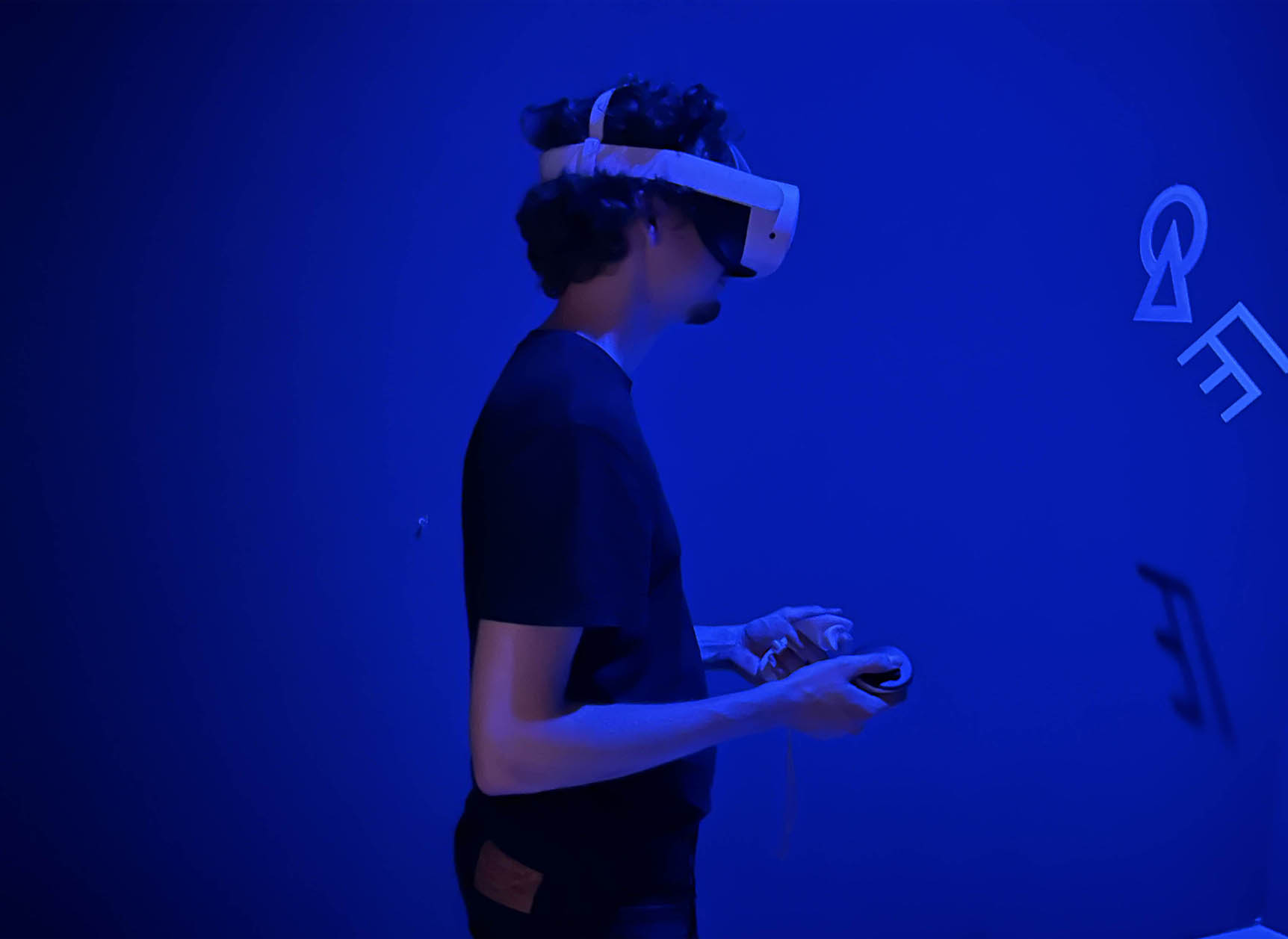
LAZE TRIPKOV: Immersive Transformation of the Glagolitic
21/08/2026 – 05/09/2026
INTERRUPTION IN PROGRESS
29/07/2026 - 20/08/2026
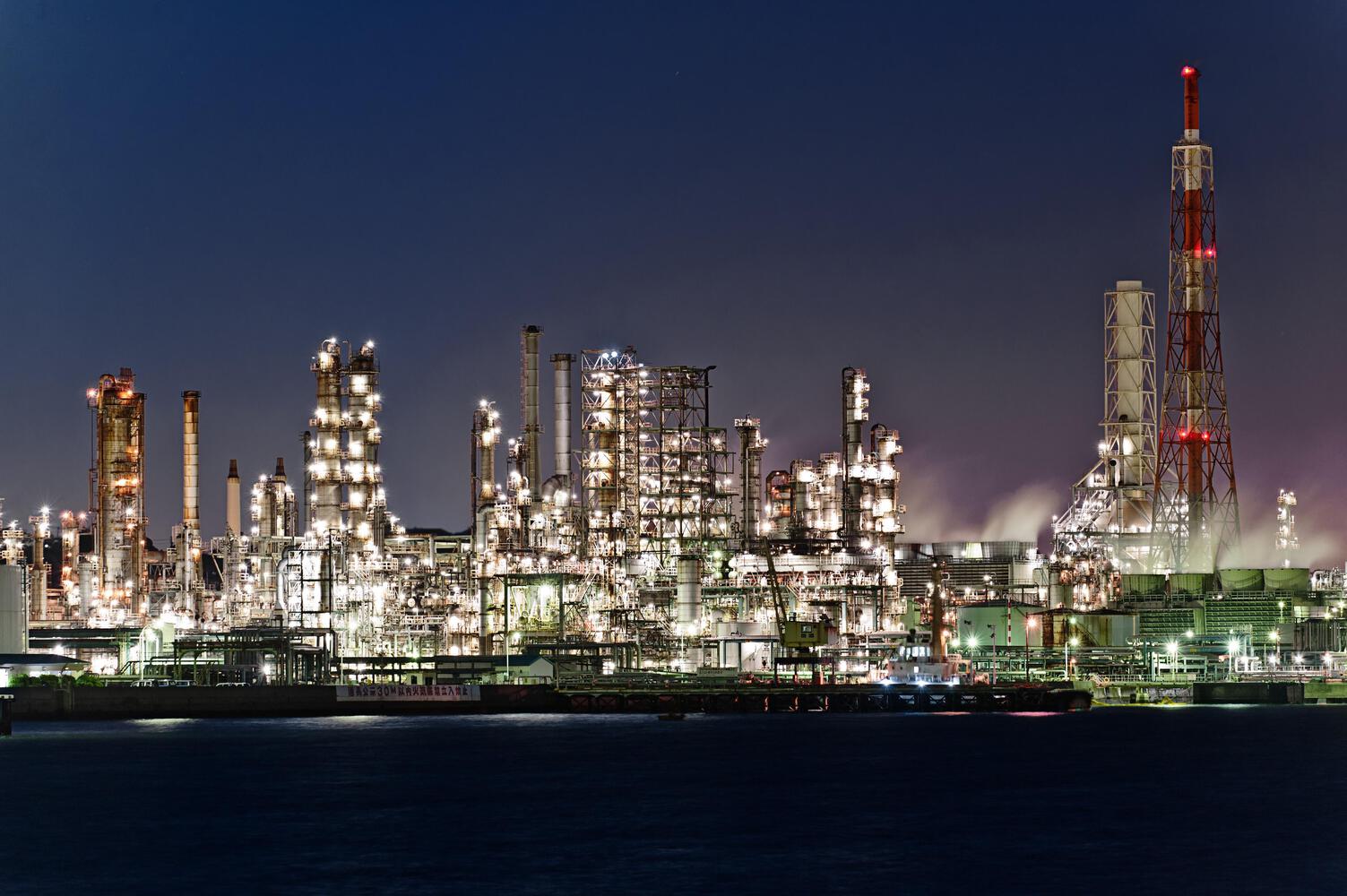
BUILT ENVIRONMENT: An Alternative Guide to Japan
16/07/2026 - 10/10/2026
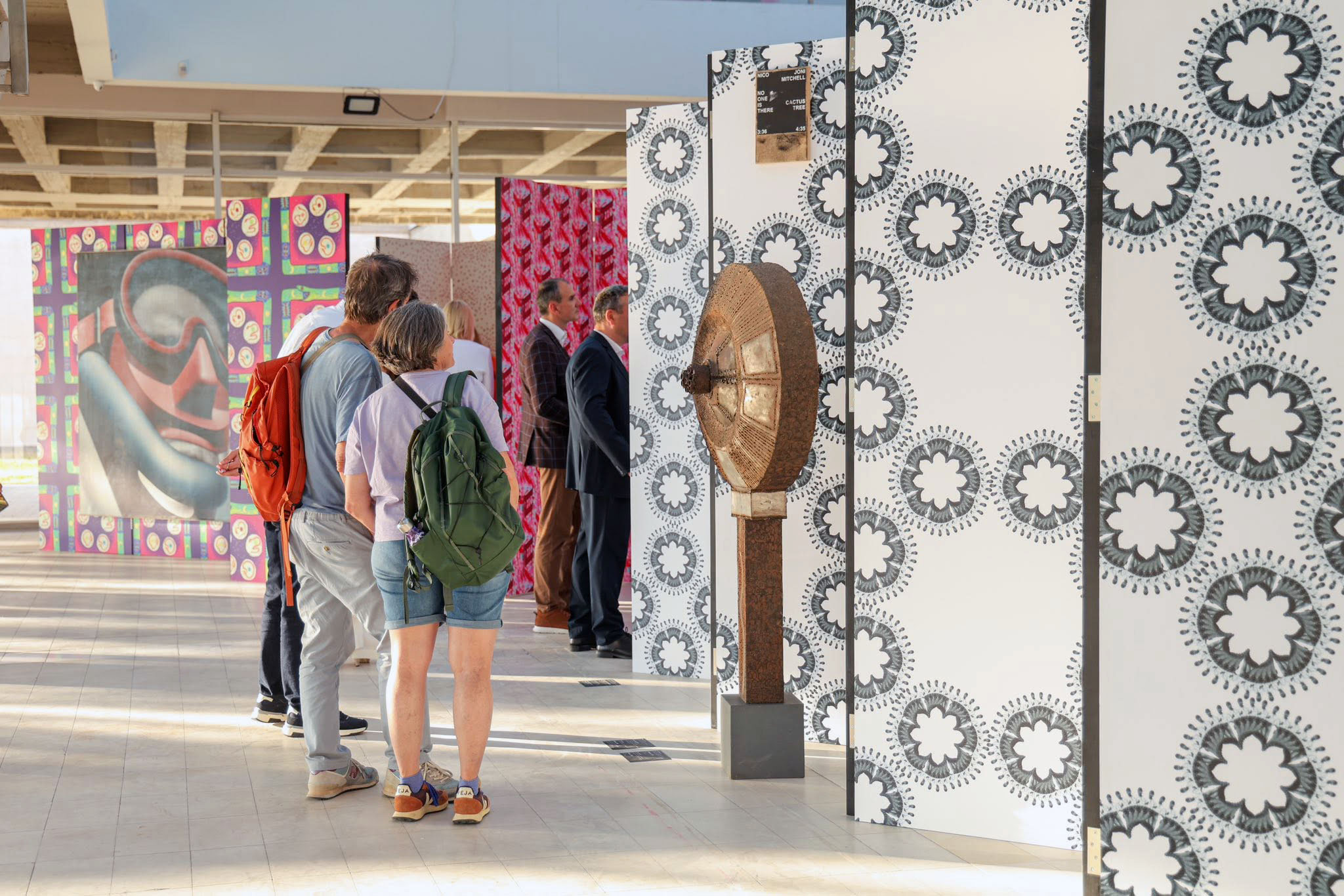
WALLPAPERS
02/06/2026 - 30/07/2026

